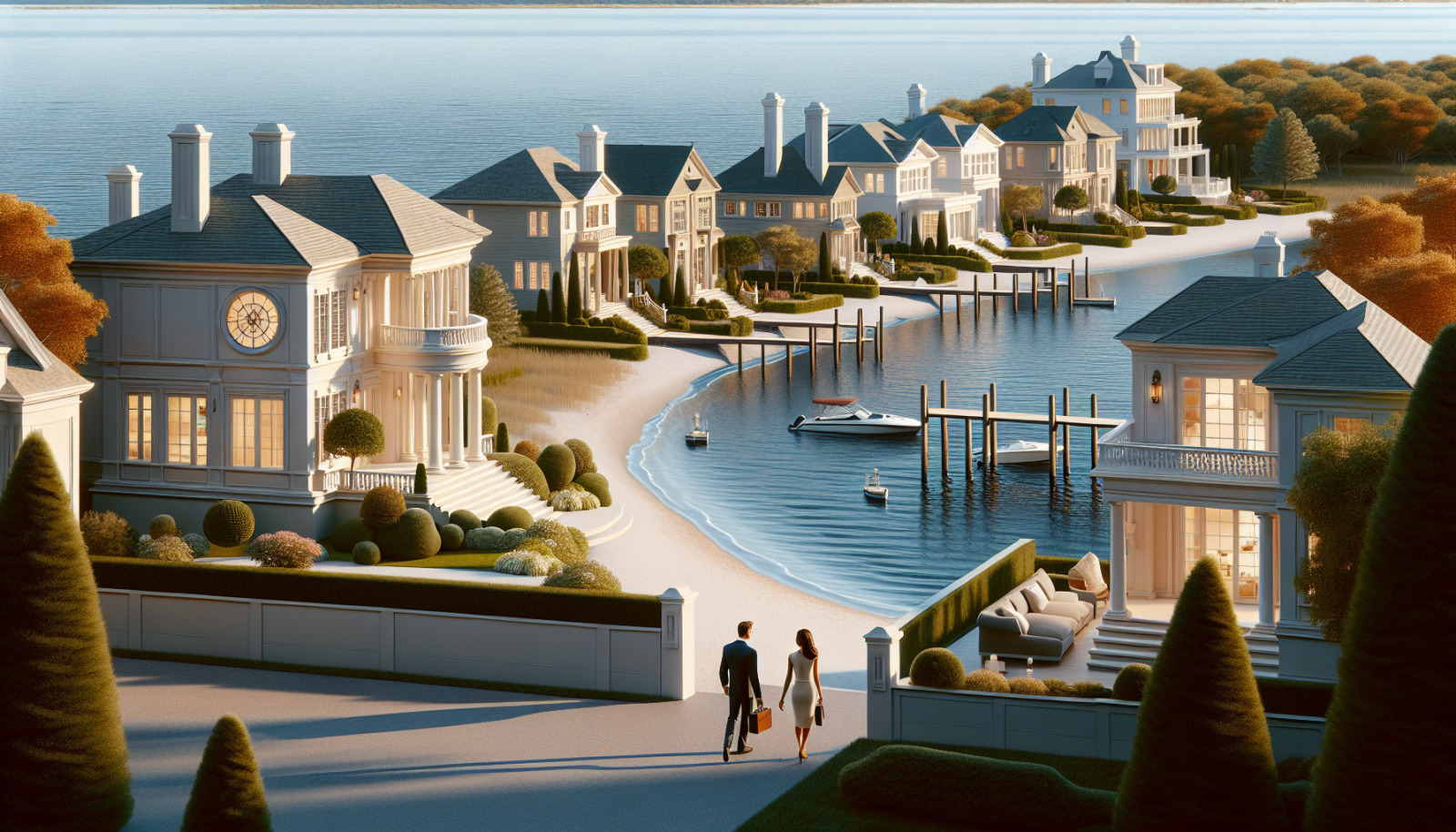
If you live in New York, New York and dream of a home where the tide sets your daily rhythm, waterfront properties Long Island deserve your full attention. From classic South Shore canal-front bungalows made for weekend boating to sprawling North Shore estates perched over the Long Island Sound, the region offers a rare mix of coastal lifestyle, commuter convenience, and long-term value. As a local waterfront specialist at Skyler Realty LLC, I help buyers and sellers navigate the unique considerations that come with tides, bulkheads, docks, flood zones, and seasonal demand—so you can move with confidence and enjoy the water instead of worrying about it.
Why NYC Buyers Are Choosing Waterfront Properties Long Island
For Manhattan- and borough-based professionals, Long Island’s coasts deliver the best of both worlds: quick access to New York, New York and a genuine shoreline lifestyle.
- Commute-friendly coastal living: Many Long Island waterfront neighborhoods sit near LIRR hubs, giving you a straight shot to Penn Station or Grand Central Madison. Popular branches include Port Washington, Oyster Bay, Babylon, Ronkonkoma, and Montauk.
- Lifestyle versatility: The North Shore’s calm, Sound-facing waters favor kayaking, paddleboarding, and sunsets over Connecticut. The South Shore’s Atlantic-facing bays and barrier islands cater to boaters, anglers, and beachgoers headed to Fire Island or Jones Beach. The East End brings Hamptons prestige and North Fork tranquility.
- Property diversity: Choose from bayfront, canal-front, and Sound-front homes, to beachfront cottages and deepwater dock estates. Whether you want a low-maintenance weekend place or a primary residence with a 40-foot boat at your dock, options abound.
- Investment potential: Limited coastline and high demand tend to support values, while short-term and seasonal rentals in permissible areas—especially on the East End—can offset carrying costs.
North Shore vs. South Shore vs. East End: Picking Your Coastline
“Waterfront” on Long Island isn’t one-size-fits-all. Your ideal stretch depends on your lifestyle, boating goals, commute, and budget.
- North Shore (Sound-facing)
- Character: Rolling bluffs, rocky beaches, deep-water harbors, postcard sunsets.
- Ideal for: Sailors, kayakers, and buyers seeking estate-style privacy and classic coastal villages.
- Notable areas: Great Neck, Manhasset, Port Washington, Roslyn, Oyster Bay, Cold Spring Harbor, Huntington, Lloyd Harbor, Northport, Stony Brook, Setauket, Port Jefferson, and Shoreham.
- Highlights: Sheltered harbors like Oyster Bay and Huntington; established yacht clubs; scenic waterfront parks.
- South Shore (Bay and barrier island-facing)
- Character: Broad bays, ocean access, barrier beaches, and canal systems built for boaters.
- Ideal for: Powerboaters and anglers who want quick inlets, easy marina access, and sandy beaches.
- Notable areas: Long Beach, Lido Beach, Atlantic Beach, Freeport, Merrick, Bellmore, Massapequa, Seaford, Amityville, Babylon, West Islip, Bay Shore, Islip, Sayville, Patchogue.
- Highlights: Great South Bay fun, Fire Island days, community marinas, canal-front neighborhoods with private docking.
- East End (Hamptons and North Fork)
- Character: Luxury estates, farm-and-vineyard landscapes, maritime villages, and world-renowned beaches.
- Ideal for: Buyers prioritizing exclusivity, privacy, and a resort-caliber lifestyle.
- Notable areas, South Fork: Westhampton, Quogue, Hampton Bays, Southampton, Water Mill, Bridgehampton, Sag Harbor, East Hampton, Amagansett, Montauk.
- Notable areas, North Fork: Riverhead, Jamesport, Mattituck, Cutchogue, Southold, Greenport, Orient.
- Highlights: Deepwater dockage in Sag Harbor and Montauk, preserved coastal vistas, vineyard country, vibrant dining scenes, and strong seasonal rental markets where permitted.
Neighborhood Snapshots for Waterfront Buyers
- Port Washington (North Shore): Beloved for its scenic harbor on Manhasset Bay, proximity to yacht clubs, and a direct LIRR branch to Manhattan. Expect a blend of classic colonials, modern waterfront rebuilds, and walkable village charm.
- Huntington and Lloyd Harbor (North Shore): Deep maritime roots, trophy estates, and protected anchorages. Waterfront areas offer privacy, wooded parcels, and upscale amenities.
- Freeport and Merrick (South Shore): Boater-friendly canal grids, quick bay access, and a spectrum from starter waterfronts to larger homes with lifts and multi-boat docks.
- Babylon and Bay Shore (South Shore): Historic village centers, dining and nightlife, convenient marinas, and ferry access to Fire Island. Canal-front homes can deliver excellent value for boaters.
- Long Beach and Lido Beach (South Shore barrier): True beach-town living with boardwalks, surfing, and ocean breezes. Inventory spans oceanfront condos to bayfront single-family homes with docks.
- Sag Harbor (East End): A sailors’ paradise with a storied whaling history, deepwater moorings, boutiques and restaurants, and highly coveted harborfront properties.
- Greenport (North Fork): Quaint maritime village with a working waterfront, a lively dining scene, and a mix of bayfront cottages and Sound-view homes.
What Drives Value in Waterfront Properties Long Island
- Water type and exposure: Sound-front often commands premiums for depth and views; oceanfront commands prestige and protection considerations; bay and canal-front deliver boating convenience and value. Western exposure for sunsets can add desirability.
- Dockage: Private, deepwater dockage that accommodates a larger vessel is a major value driver. Verify depth at mean low water, dock length, and tidal clearance for fixed bridges along canals.
- Bulkheads and shoreline: Newer or well-maintained bulkheads, revetments, or natural shoreline stabilization reduce risk and future expense.
- Elevation and flood risk: Higher elevation sites and compliant construction can lead to lower flood insurance premiums and peace of mind.
- Neighborhood amenities: Proximity to marinas, yacht clubs, beaches, parks, village centers, and LIRR stations all influence pricing and liquidity.
- Renovation and compliance: Homes elevated to current standards, with updated mechanicals placed above base flood elevation, are more attractive to buyers and insurers.
The Realities of Ownership: Flood Zones, Insurance, and Permits
Waterfront ownership comes with unique due diligence. Here’s how I guide clients through it:
- Flood zones and insurance:
- We identify the property’s flood zone designation and typical premium ranges based on elevation, construction date, and mitigation features.
- We review elevation certificates, freeboard, and finished-floor height to assess potential premium savings or renovations that could improve insurability.
- Bulkheads, docks, and lifts:
- We examine condition, materials, and remaining life of bulkheads. Replacement can be a significant investment, so understanding timing and cost matters.
- For docks, we confirm permitted dimensions, depth at low tide, and any seasonal restrictions. We also consider lift capacity, power, and maintenance records.
- Environmental and building approvals:
- Waterfront upgrades often require approvals. New York State DEC oversight applies in tidal wetlands; local towns and villages may have strict coastal rules. The Army Corps can be involved depending on scope.
- I coordinate with local expediters and engineers to evaluate feasibility before you make an offer.
- Septic or sewer:
- Many Suffolk County properties use septic systems. We verify age, type, and capacity, and explore upgrade incentives for innovative/advanced systems where applicable. Nassau County properties may be sewer-connected depending on location.
- Utilities and resilience:
- I look for relocated mechanicals, impact-rated windows, flood vents, on-site generators, and roof condition—practical measures that protect your home and lower long-term costs.
Boating and Beach Access: Matching the Home to Your Vessel and Hobbies
Your boat and beach habits should shape your search.
- South Shore boaters: If you want quick ocean access, look near inlets like Jones, Fire Island, and Moriches. Canal-front neighborhoods in Freeport, Merrick, Bellmore, Massapequa, and Babylon offer quick bay access with fewer open-water fetch days.
- North Shore sailors: Favor harbors such as Port Washington, Oyster Bay, Huntington, and Northport for moorings, clubs, and calmer Sound waters.
- East End enthusiasts: Montauk and Sag Harbor appeal to serious anglers and cruisers who need deepwater dockage. The North Fork’s Peconic Bay is exceptional for family boating and paddle sports.
- Beach lovers: Long Beach and Lido Beach deliver oceanfront living and boardwalk culture; Hamptons beaches offer world-class sand and surf; the barrier island life near Bay Shore and Sayville provides easy ferry hops to Fire Island communities.
Getting from the Water to New York, New York
Commuting from Long Island’s shores to Manhattan is more straightforward than many expect.
- LIRR access: Popular branches link waterfront towns to Penn Station and Grand Central Madison. Port Washington has its own nonstop branch; Babylon and Ronkonkoma lines offer frequent service; the Oyster Bay branch serves harbor towns with connections at Mineola.
- Driving routes: Southern State Parkway, Northern State Parkway, and the Long Island Expressway connect waterfront enclaves across Nassau and Suffolk to bridges and tunnels into New York, New York.
- Ferry options: From Port Jefferson to Bridgeport and Orient Point to New London, ferries add flexibility for regional travel. Fire Island ferries open a car-free beach lifestyle for South Shore owners.
Investment, Leasing, and Seasonality
Waterfront properties Long Island can serve as both a lifestyle purchase and an investment—if you understand local rules and rhythms.
- Seasonality: Inventory often peaks late spring through summer, with serious buyers active year-round. Winter shopping can uncover motivated sellers; summer showings reveal true lifestyle benefits.
- Leasing: East End towns require rental permits and, in some cases, rental registries with minimum stay rules. Village- and town-level compliance matters throughout Long Island; I guide clients through what’s allowed before they buy.
- Value preservation: Limited shoreline, cost to replicate, and strong lifestyle demand tend to support long-term values. Homes with compliant elevations, newer bulkheads, and quality docks tend to be most resilient.
How I Give You an Edge: Daniel S. Colomban at Skyler Realty LLC
Choosing the right waterfront agent can save you time, money, and stress. My approach at Skyler Realty LLC is hands-on, data-driven, and deeply local.
- Hyperlocal expertise:
- I analyze micro-markets neighborhood by neighborhood—canal depths in Bellmore vs. Merrick, bulkhead conditions common to Babylon, mooring availability in Huntington, and dock permit nuances in Oyster Bay or Southampton.
- Waterfront-savvy due diligence:
- I anticipate issues around flood insurance, elevation certificates, shoreline structures, and permitting, lining up the right surveyors, marine contractors, and expediters before we commit.
- Network advantage:
- My relationships with local inspectors, lenders experienced in waterfront underwriting, attorneys comfortable with riparian rights, and marine contractors create a smoother process.
- Strategic negotiation:
- Waterfront has fewer direct comps. I build valuation models using shoreline type, elevation, dockage, bulkhead age, and exposure so you negotiate from a position of strength.
- Marketing firepower for sellers:
- For listings, we deploy drone videography, twilight photography, floor plans, and 3D tours to capture the waterfront lifestyle. We target qualified boaters and NYC-based buyers with campaign timing that aligns to seasonal demand.
- Discreet opportunities:
- Many coveted waterfronts change hands quietly. I maintain a roster of off-market and coming-soon options and connect motivated sellers with pre-approved, serious buyers.
Buying Strategy: From First Showing to the First Sunset on Your Dock
- Define your waterfront must-haves:
- Boat size and draft, dock or mooring needs, depth at low tide, clearance under nearby bridges, and preferred water conditions.
- Nail the commute:
- If access to New York, New York is crucial, we’ll prioritize LIRR-proximate neighborhoods and confirm realistic door-to-door times.
- Budget for the real costs:
- Beyond purchase price, factor insurance, bulkhead maintenance or replacement planning, dock upkeep, and storm-hardening improvements.
- Inspect like a mariner and a homeowner:
- We pair general inspections with waterfront-specific checks: tide impacts, shoreline integrity, electrical on docks, lift condition, and stormwater management.
- Offer with clarity:
- We write offers that protect your interests, including time to review elevation data, permits, and insurance quotes, while staying competitive in low-inventory moments.
Selling Strategy: Unlocking the Full Value of Your Shoreline
- Prepare what buyers care about:
- Gather permits, elevation certificates, flood insurance info, bulkhead and dock maintenance records, and recent utility and servicing details.
- Showcase lifestyle:
- Drone shots at golden hour, scenes from the water looking back at your home, and a feature list focused on boating access, sunsets, and outdoor living.
- Time the market:
- We align listing periods with peak waterfront interest while identifying off-peak windows that face less competition and yield serious, qualified buyers.
- Price with precision:
- We adjust for water type, elevation, bulkhead age, dock specs, view corridors, and neighborhood demand, not just overall square footage.
Let’s Find Your Place by the Water
For New York, New York residents, waterfront properties Long Island offer a rare upgrade in quality of life without sacrificing big-city access. Whether your vision is a canal-front home steps from your boat on the South Shore, a Sound-front perch with sunset views on the North Shore, or a Hamptons or North Fork retreat with deepwater dockage and room to breathe, I’m here to make the process straightforward and rewarding.
I’m Daniel S. Colomban of Skyler Realty LLC. If you’re ready to tour, compare neighborhoods, understand flood and dock details, or position your existing waterfront home for top-dollar results, let’s talk. Together, we’ll match your lifestyle, commute, and budget to the stretch of shoreline that feels like it was made for you—and get you to your first sunset on the dock with confidence.