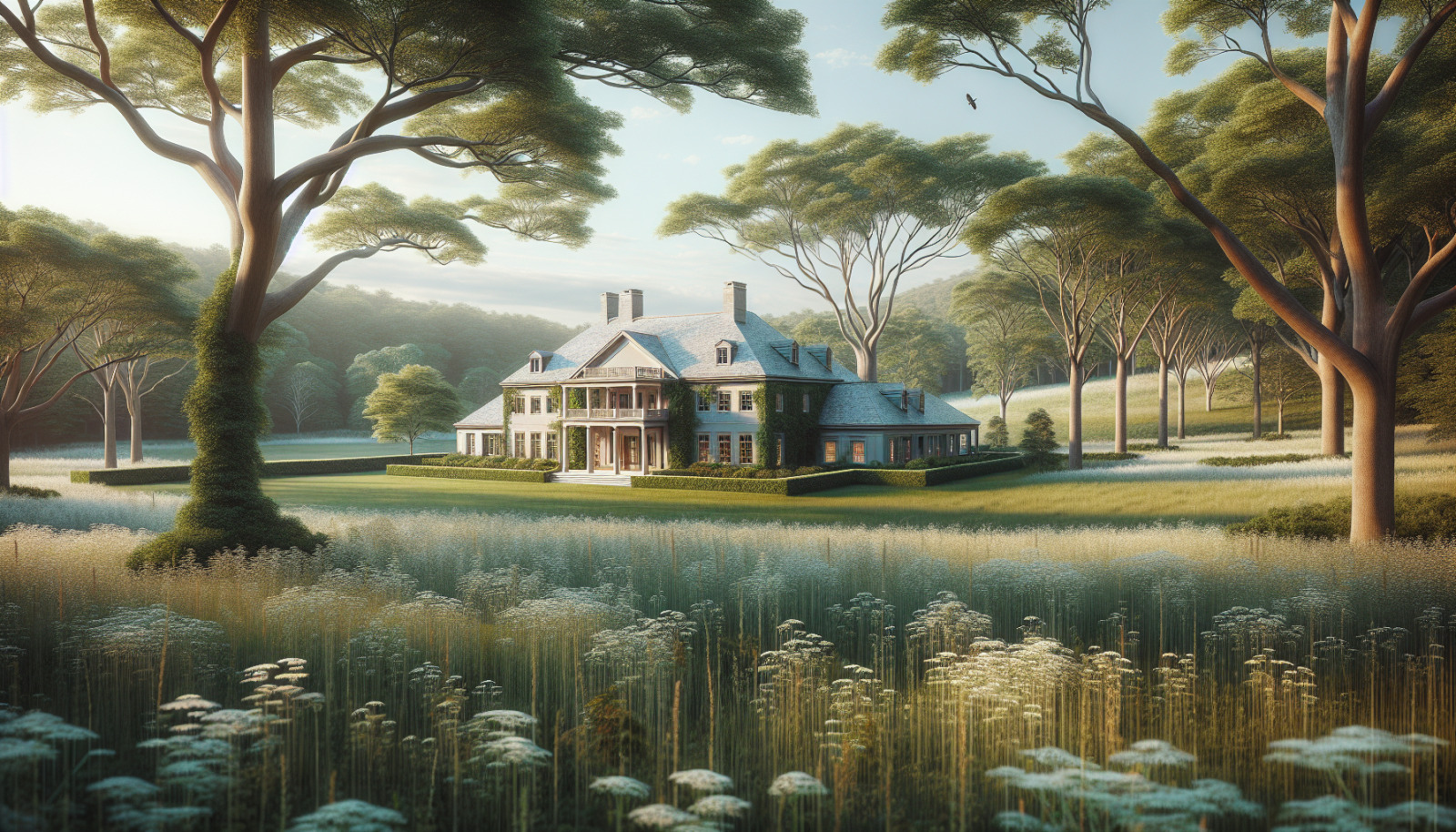
If you live in New York, New York and dream of trading the city’s bustle for stone walls, open meadows, and sunset river views, the Hudson Valley delivers in a way few regions can. From equestrian compounds in Millbrook to riverfront retreats in Garrison and modern farmhouses in Woodstock, country estates in the Hudson Valley offer privacy, acreage, architecture, and culture—plus a manageable commute back to the city. This guide explores the best towns, property styles, ownership considerations, and buying strategies for country estates Hudson Valley buyers, and shows how Daniel S. Colomban at Skyler Realty LLC helps New York clients succeed in this competitive, character-rich market. To start a conversation, visit daniel-s-colomban-skyler-realty-llc.skyler-realty.com.
Why Hudson Valley country estates appeal to New York, New York buyers
- Space and privacy without isolation: Country estates Hudson Valley properties commonly span 5 to 100+ acres with a primary residence, guest quarters, barns, and trails—yet sit 60 to 120 minutes from Manhattan by car or train.
- Architecture with soul: Historic stone farmhouses, Federal and Greek Revival manors, Dutch Colonials, and midcentury retreats are common, often upgraded for modern living. Thoughtful new construction blends barn-inspired forms with eco-friendly systems.
- Culture and cuisine: The region’s farm-to-table dining, acclaimed art institutions, and maker culture mean you don’t trade amenities for acreage.
- Investment resilience: Proximity to New York City anchors demand. Unique, well-sited estates in the Hudson Valley historically weather market cycles better than more generic suburban stock.
Where to find the best country estates in the Hudson Valley
The Hudson Valley stretches north from New York City through Westchester, Putnam, Dutchess, Orange, Ulster, Columbia, and Greene Counties. Each sub-market has a distinct flavor, price profile, and landscape.
- Westchester County (closest to NYC)
- Bedford, Pound Ridge, and North Salem: Classic horse country with fieldstone walls, bridle trails, and estates tucked into rolling hills. High-end, low-density, with quick access to the city.
- Chappaqua and Armonk: Wooded estates with architectural diversity, strong schools, and convenient village centers.
- Tarrytown, Irvington, and Briarcliff: River views, historic mansions, and easy Hudson Line access.
- Putnam County
- Garrison and Cold Spring: Iconic Hudson River and Highlands vistas, 19th-century charm, and trail-laced hillsides. Cold Spring’s village is a favorite for weekenders.
- Putnam Valley: Larger lots, lakes, and a quieter, more rustic feel.
- Dutchess County
- Millbrook and Amenia: True “hunt country” with equestrian infrastructure, gentleman farms, and storied estates. Millbrook is a magnet for privacy-seeking buyers.
- Rhinebeck and Staatsburg: Refined village life, culinary destinations, and estates with river influence and historic character.
- Beacon and Pawling: Arts-forward Beacon and pastoral Pawling offer varied inventory and solid transit.
- Ulster County
- Woodstock, Stone Ridge, and Olive: Artistic energy, Catskill foothills, and modern-rustic estates with mountain views.
- New Paltz and Gardiner: Active-lifestyle hubs near the Shawangunks, with farmhouses, contemporary sanctuaries, and vineyard-adjacent sites.
- Orange County
- Warwick, Tuxedo Park, and Cornwall-on-Hudson: Country estates with orchards and pastures, gated historic enclaves, and proximity to major roadways.
- Columbia County
- Hudson, Kinderhook, and Chatham: Stately homes and revitalized villages, wide-open farmland, and serious food-and-design scenes.
- Greene County
- Catskill, Hunter, and Windham: Mountain-view estates, ski access, and expanding hospitality offerings.
Daniel S. Colomban guides New York, New York clients to the sub-markets that match their priorities—horse facilities, water frontage, hilltop privacy, artist studios, or proximity to a Metro-North station—so you tour only the right properties.
Architectural styles and estate features you’ll see
- Historic stone and clapboard farmhouses: Hand-hewn beams, wide-plank floors, and fireplaces. Many are sensitively modernized with chef’s kitchens and radiant heat.
- Federal, Greek Revival, and Victorian manors: Symmetry, grand staircases, and period details on landscaped grounds with carriage houses or guest cottages.
- Dutch Colonial and Shingle Style: Gabled roofs, deep porches, and indoor-outdoor flow ideal for summer gatherings.
- Midcentury and modernist retreats: Glassy pavilions in the woods, often with pool terraces and long driveways for privacy.
- Contemporary barn homes: Soaring spaces, steel and timber, polished concrete, and high-efficiency systems.
- Equestrian and agrarian estates: Eight-stall barns, indoor arenas, fenced paddocks, equipment sheds, and hay fields; often eligible for agricultural assessments.
Expect estate amenities such as pools, pool houses, tennis courts, orchards, trails, ponds, and curated native landscaping. Daniel evaluates how features affect value, upkeep, and financing—particularly for accessory buildings and agricultural components.
Lifestyle and nearby amenities
Country estates Hudson Valley buyers enjoy a rare blend of nature and culture.
- Outdoor recreation: Hudson Highlands State Park, Breakneck Ridge, Bear Mountain, Mohonk Preserve, Minnewaska State Park, and Catskill Forest Preserve provide trails, climbing, and lake access.
- Arts and history: Storm King Art Center, Dia:Beacon, Kingston’s Rondout, the mansions of Staatsburg and Hyde Park, and vibrant galleries in Hudson and Rhinebeck.
- Dining and makers: Farm markets, craft cideries, and chef-driven restaurants dot Rhinebeck, Beacon, Hudson, Tivoli, Warwick, Woodstock, and New Paltz.
- Community: Seasonal festivals, equestrian events around Millbrook, and lively village calendars keep social life full.
Daniel’s local network helps clients plug into the lifestyle—private hiking access, riding instructors, landscaping teams, and farm consultants.
Getting there: Commute and access from New York, New York
- Metro-North Railroad:
- Hudson Line: Tarrytown, Ossining, Peekskill, Garrison, Cold Spring, Beacon, and Poughkeepsie offer direct access from Grand Central Terminal, with approximate peak travel times from 35 minutes (Tarrytown) to about 1 hour 45 minutes (Poughkeepsie).
- Harlem Line: Bronxville, Scarsdale, Mount Kisco, Bedford Hills, Katonah, and Pawling serve estates east of the river; typical travel times range from about 35 minutes to 1 hour 45 minutes depending on stop.
- Amtrak: Rhinecliff and Hudson stations connect to Penn Station in roughly 1.5 to 2 hours, depending on service.
- Driving: I-87, the Taconic State Parkway, and Route 9 loosely parallel the river; allow 60 to 120 minutes for most destinations north of Westchester under average conditions.
- Airports: Westchester County Airport and Stewart International offer convenient regional and private aviation options; Albany serves the northern valley.
Buyers based in New York, New York often choose estates near a specific line or interchange; Daniel maps commute scenarios during your search to keep weekdays workable.
Costs, taxes, and ownership considerations
- Purchase price: Estates vary widely—five-acre properties with updated farmhouses may list under the low seven figures in certain counties, while pedigreed riverfront or equestrian compounds can command multi-million-dollar prices.
- Property taxes: Westchester typically runs higher; Dutchess, Ulster, Orange, Greene, and Columbia are often lower on a per-dollar basis. Agricultural assessments and conservation easements can reduce taxes for qualifying properties.
- Utilities and systems: Many estates rely on wells, septic systems, and oil or propane heat. Budget for annual service, tank inspections, and potential upgrades to high-efficiency boilers or heat pumps.
- Maintenance: Mowing fields, plowing private drives, pond management, and tree work add ongoing costs. Daniel provides vendor estimates during diligence so there are no surprises.
- Insurance: River proximity, antique wood stoves, and outbuildings can influence premiums. Proper permits and updates can help optimize coverage.
What to know before you buy land or an estate
Country estates Hudson Valley properties come with rural nuances. Daniel’s diligence checklist includes:
- Water and septic: Verify well yield and potability tests, septic design capacity, and recent pump/service records. For expansions, confirm room for a code-compliant replacement field.
- Boundaries and easements: Commission a survey to confirm acreage, stone wall locations, rights-of-way, and drive/utility easements.
- Conservation and wetlands: Check for conservation easements, wetland buffers, and steep-slope rules that can affect building envelopes, pools, and barns.
- Private roads and associations: Review maintenance agreements, dues, and shared driveway obligations.
- Outbuildings: Confirm building department records for barns, guest houses, pool houses, and conversions; unpermitted improvements can complicate financing and resale.
- Environmental: Review oil tank status (in-ground vs. above-ground), radon tests, and any historical use that suggests soil testing.
- Connectivity: Evaluate internet options—fiber availability is expanding, but some rural roads still rely on satellite or fixed wireless. Daniel verifies providers during showings.
Investment and rental potential
- Short-term rentals: Regulations vary by town and village; some permit owner-occupied or limited-duration rentals, others restrict or require permits. Daniel coordinates with local officials to clarify what’s allowed before you buy.
- Long-term value: Unique settings—river frontage, mountain views, adjacency to preserved lands, and premier equestrian infrastructure—tend to preserve value.
- Income components: Managed orchards, hay fields, and stable leases can offset costs. Agricultural exemptions may be available with qualifying activities.
How Daniel S. Colomban and Skyler Realty LLC deliver results
Daniel S. Colomban, based in New York, New York with Skyler Realty LLC, specializes in guiding city-based buyers into the right country estates Hudson Valley opportunities. What sets Daniel and Skyler Realty apart:
- Local precision: Hyper-granular knowledge of micro-markets—from Millbrook hunt country soils to the best Garrison ridge views—so you don’t waste time.
- Private and pre-market access: Relationships with owners, builders, and attorneys surface opportunities beyond public listings.
- Data-driven pricing: Comparative analysis tailored to estates (adjusting for acreage utility, outbuildings, and condition) to anchor smart offers.
- Concierge team: Trusted inspectors, well and septic pros, surveyors, land-use attorneys, architects, equestrian specialists, and contractors lined up before you bid.
- Modern marketing and acquisition: Drone mapping, 3D scans, and feasibility studies that help you assess big properties decisively—and win competitive situations with clean, compelling terms.
The buying process with Daniel
- Discovery: A focused call to align on acreage, privacy, architecture, commute, budget, and must-have amenities.
- Curated touring: Handpicked estates that match your brief, including off-market options; logistical planning around train schedules from New York, New York.
- Diligence prep: Pre-offer consultations with inspectors and local counsel to flag red/green lights early.
- Offer strategy: Price guidance, timing, and contingencies tailored to seller motivation and competing interest; proof-of-funds or pre-approval optimization for jumbo financing.
- Inspections and surveys: Well yield and potability tests, septic inspection, structural review, environmental tests, and boundary surveys coordinated seamlessly.
- Closing and onboarding: Utility setup, vendor introductions, and a 90-day post-close support window to ensure a smooth transition to country living.
To begin, visit daniel-s-colomban-skyler-realty-llc.skyler-realty.com and request a private consultation with Daniel.
Selling a Hudson Valley country estate with Skyler Realty LLC
For owners considering a sale, Daniel creates a bespoke plan that emphasizes what estate buyers value:
- Storytelling and positioning: Historic research, architectural highlights, and land-use potential presented with magazine-quality visuals and floor/site plans.
- Land and systems documentation: Surveys, well/septic records, tax history, and maintenance logs organized upfront to reduce buyer friction.
- Strategic pricing: Targeted ranges informed by recent estate trades, acreage usability, and relocation patterns out of New York, New York.
- Intelligent exposure: Qualified buyer lists, discreet outreach for privacy, and high-impact launch timing around peak seasonal interest.
Frequently asked questions
- How much land is “enough” for privacy? Many buyers find 5 to 10 acres sufficient when sited well. For equestrian use, 10 to 20+ acres with dry, level areas for paddocks and arenas is common.
- Are turnkey estates common? Yes, but the most compelling properties often need selective modernization. Daniel can price renovations and prioritize high-ROI updates.
- Can I add a guest house or pool? Often, yes—subject to local zoning, septic capacity, and setbacks. Early feasibility work prevents surprises.
- What about winters? With proper road maintenance arrangements, generator backup, and efficient heating systems, year-round living is comfortable. Daniel reviews service contracts and vendor availability before you commit.
Next steps
If you’re in New York, New York and ready to explore country estates Hudson Valley options—from river-view retreats in Garrison and Cold Spring to equestrian properties in Millbrook, modern sanctuaries in Woodstock, or classic manors in Rhinebeck—partner with an agent who understands both city lifestyles and country living. Daniel S. Colomban at Skyler Realty LLC blends precision market insight with white-glove service to make your move seamless and successful.
Start your search or request a confidential valuation at daniel-s-colomban-skyler-realty-llc.skyler-realty.com.